

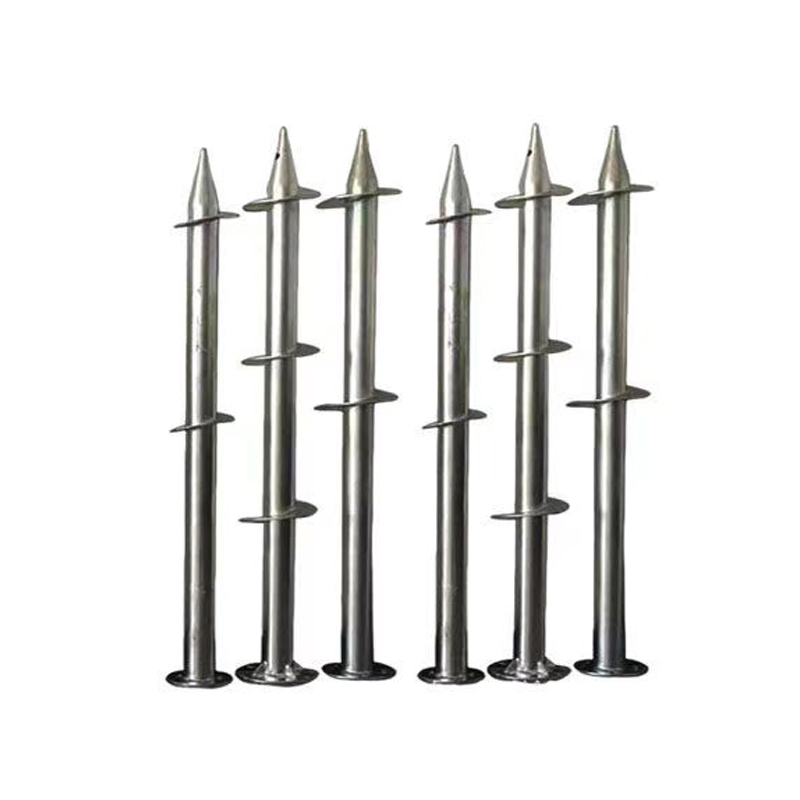
Photovoltaic spiral pile
Photovoltaic spiral ground piles are the core components of the foundation construction of ground photovoltaic power stations. The spiral blades adopt a multi-level gradient design. The soil is compacted during the screwing process to form a strong anchoring force. The vertical bearing capacity reaches 5-30 tons. No excavation and maintenance are required. It is adaptive to complex geology and adopts high-strength steel and spiral blades. The integrated design replaces the traditional concrete foundation through screw-in installation to achieve fast, environmentally friendly and low-cost bracket fixation. With its excellent bearing performance and geological adaptability, it is widely used in complex terrains such as deserts, tidal flats, and mountains, becoming an ideal foundation solution for large ground power stations and distributed projects.
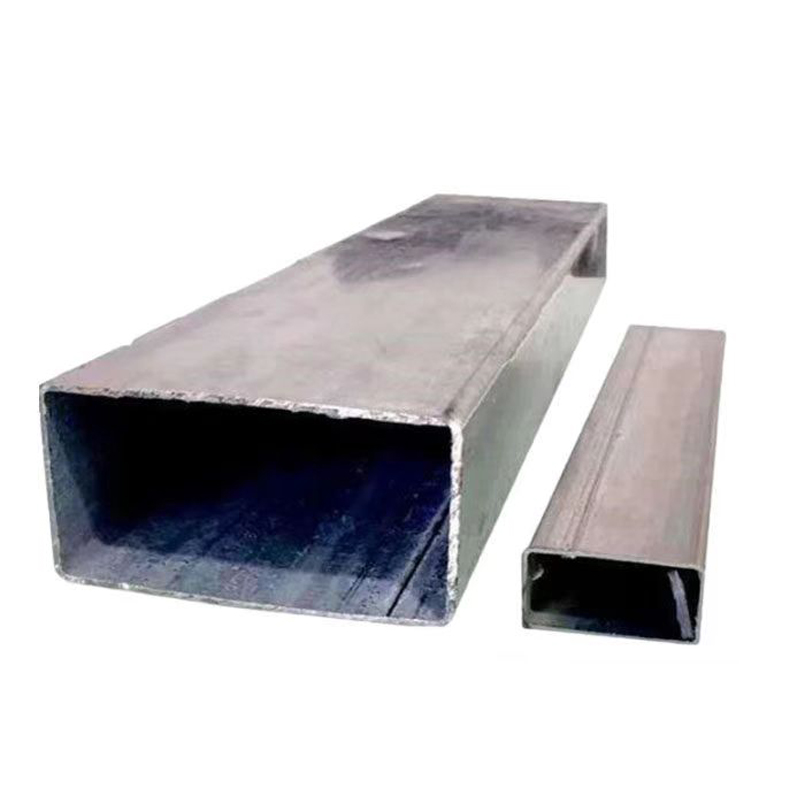
Square tube
Square tubes are the core structural components of the solar support system. They are made of rigid steel with a square cross section. They have the characteristics of high strength, light weight and weather resistance. They are designed to carry photovoltaic panels and withstand extreme environments. As the “skeleton” of the photovoltaic array, its performance directly affects the safety, stability and life of the power station, and is the basic guarantee for the efficient operation of the photovoltaic system. They are mainly used in large ground power stations, distributed rooftops, and agricultural and fishery photovoltaic complementarity.
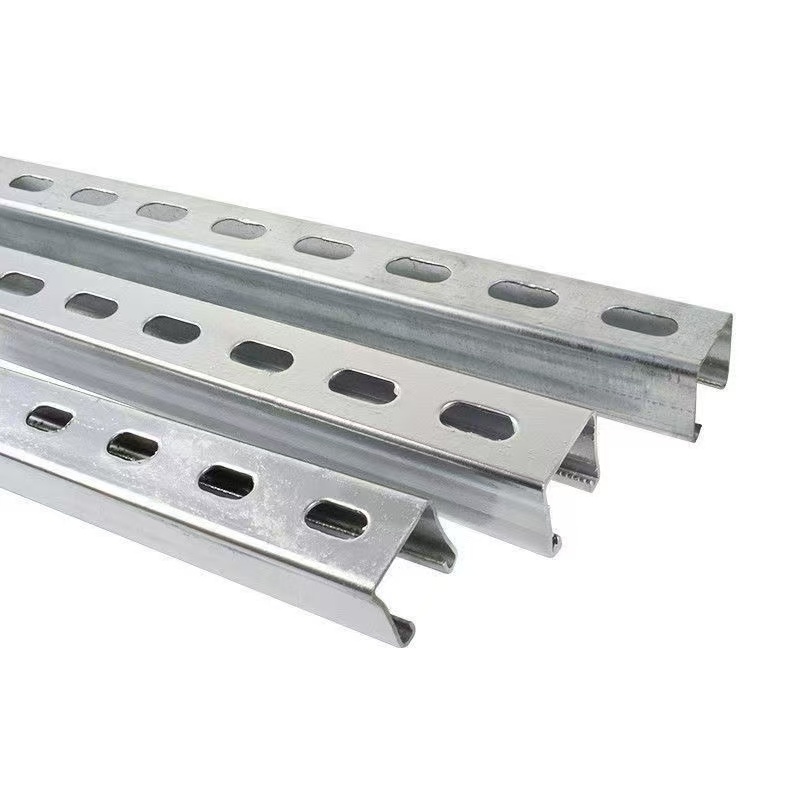
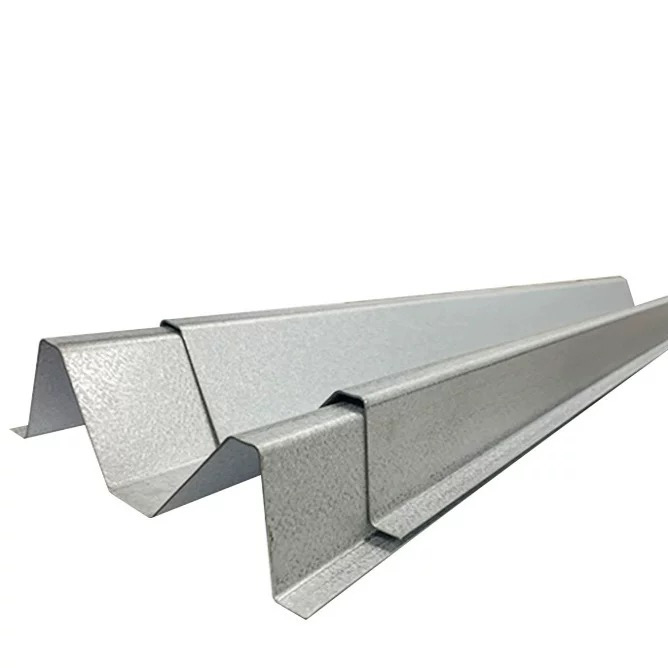
Sink
The photovoltaic bracket dedicated water tank is a supporting component designed for the solar photovoltaic bracket system, aiming to optimize the drainage management of photovoltaic panels, improve the stability of the bracket structure, and realize the resource utilization of rainwater. This product is seamlessly integrated with the photovoltaic bracket. Through scientific water diversion design, it solves the problems of corrosion and efficiency reduction caused by water accumulation in traditional photovoltaic systems, while extending the life of the bracket and reducing operation and maintenance costs. The water tank is divided into six categories: large water tank, Skyworth water tank, zinc aluminum magnesium auxiliary water tank, edge water tank, ridge water tank, and M water tank.
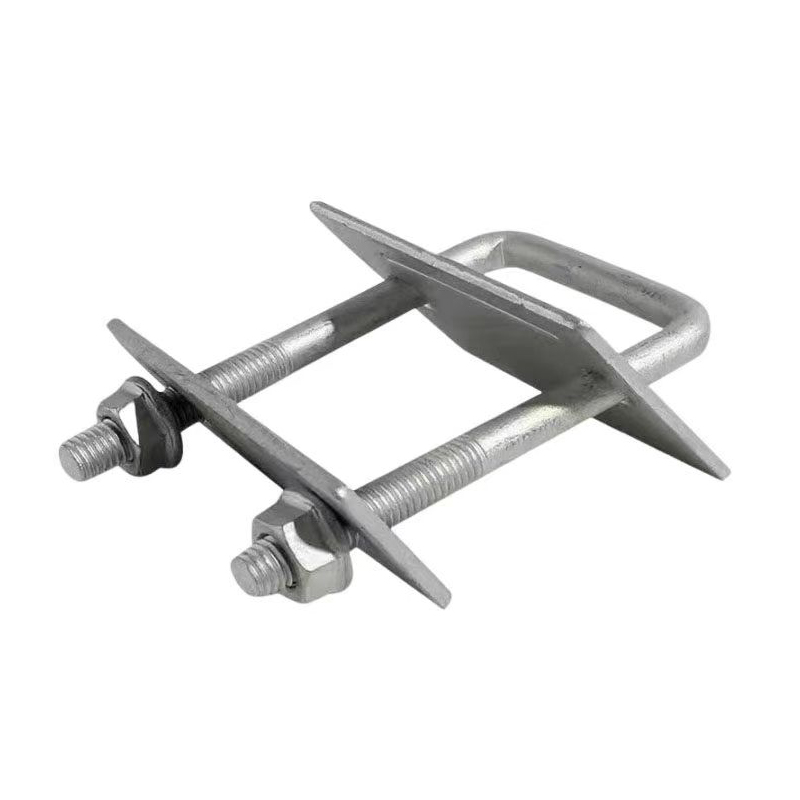
Photovoltaic pressure plate
The photovoltaic pressure plate is the core connector for fixing photovoltaic panels in the solar bracket system. It is made of high-strength, corrosion-resistant materials and is designed for the installation requirements of various photovoltaic modules (single glass, double glass, single crystal, double crystal). As the “safety lock” of the photovoltaic array, its core function is to ensure the stable connection between the module and the bracket to resist strong winds. Snow load and other external force impacts, while avoiding glass cracks caused by stress concentration, to ensure the long-term safe and efficient operation of the power station. Through the deep integration of material science and structural mechanics, the photovoltaic pressure plate has become the cornerstone of the safe operation of photovoltaic power stations, enabling customers to achieve lower LCOE and higher return on investment with extreme performance and adaptability.
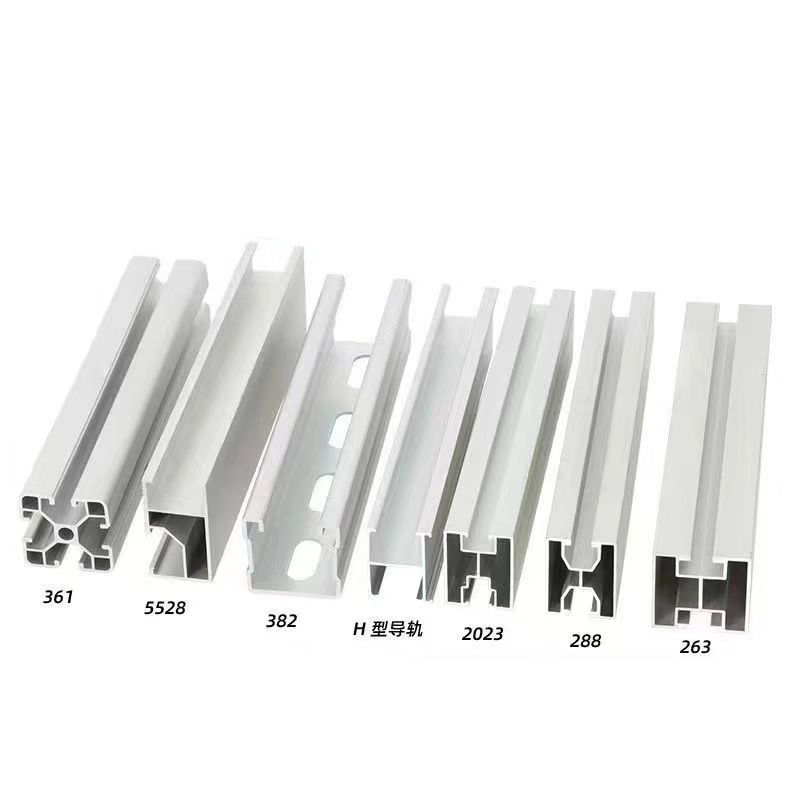
Aluminum alloy rails
The rails are the core load-bearing components of the solar support system. As the link between the photovoltaic panels and the support structure, they play a key role in fixing components, dispersing loads, and resisting wind pressure and snow loads. Made of high-strength aluminum alloy or galvanized steel, they are lightweight and corrosion-resistant after precision extrusion and surface treatment. They are designed for ground power stations, rooftop distributed and complex terrain projects to ensure long-term stable operation of photovoltaic arrays. With innovative structures and rigorous processes, the rails redefine the load-bearing standards of photovoltaic systems and provide global customers with solutions that combine strength, durability and economy. Help photovoltaic projects achieve maximum benefits throughout their life cycle.
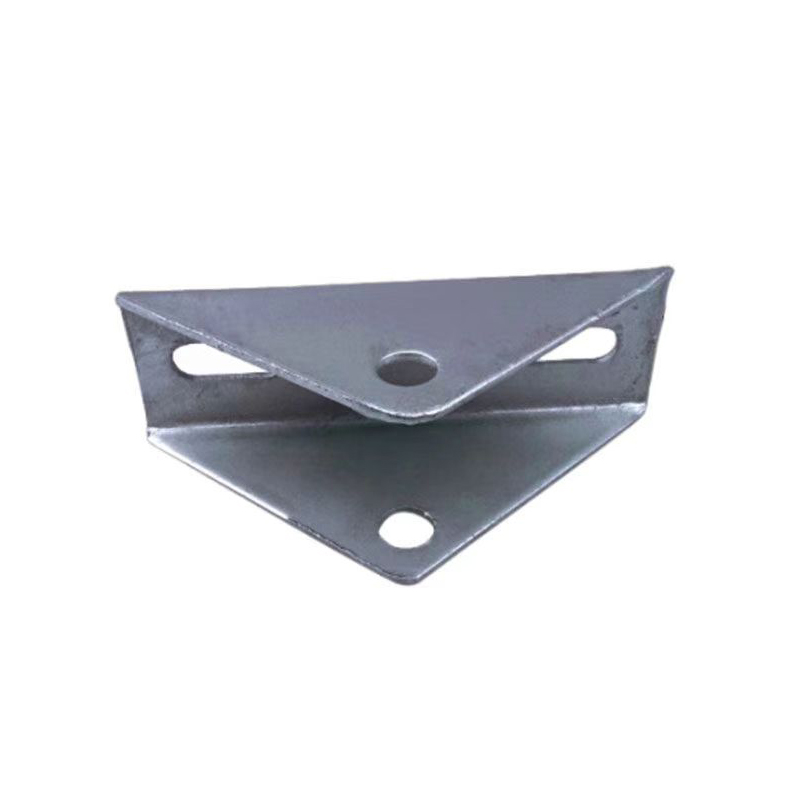
Triangle connector
Triangle connector is a key structural reinforcement component of the solar support system. It adopts 30 degrees, 45 degrees, 60 degrees, and multi-angle design to lock the column, beam and diagonal brace into a triangular stability system. It is made of high-strength alloy material and precision casting process, and is specially designed for the node connection design of the support column. Beam and diagonal brace. As the “mechanical hub” of the photovoltaic array, it is rigidly fixed at multiple angles to significantly improve the overall wind pressure resistance and torsional deformation resistance of the support, ensuring the structural stability and safety of the photovoltaic system under complex terrain and extreme climate. It is a core accessory for large ground power stations, distributed roofs and tracking support systems.
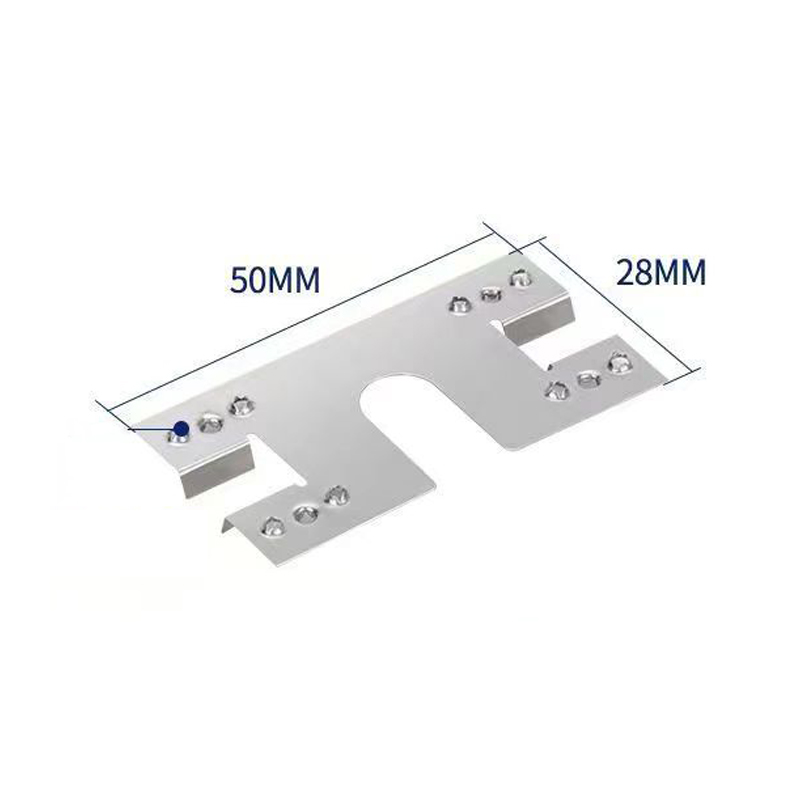
Conductive sheet
Conductive sheets are an indispensable safety protection component in photovoltaic power generation systems. Combining cutting-edge material science with electrical engineering, they build an invisible “safety shield” for photovoltaic systems and improve the safety of power stations.
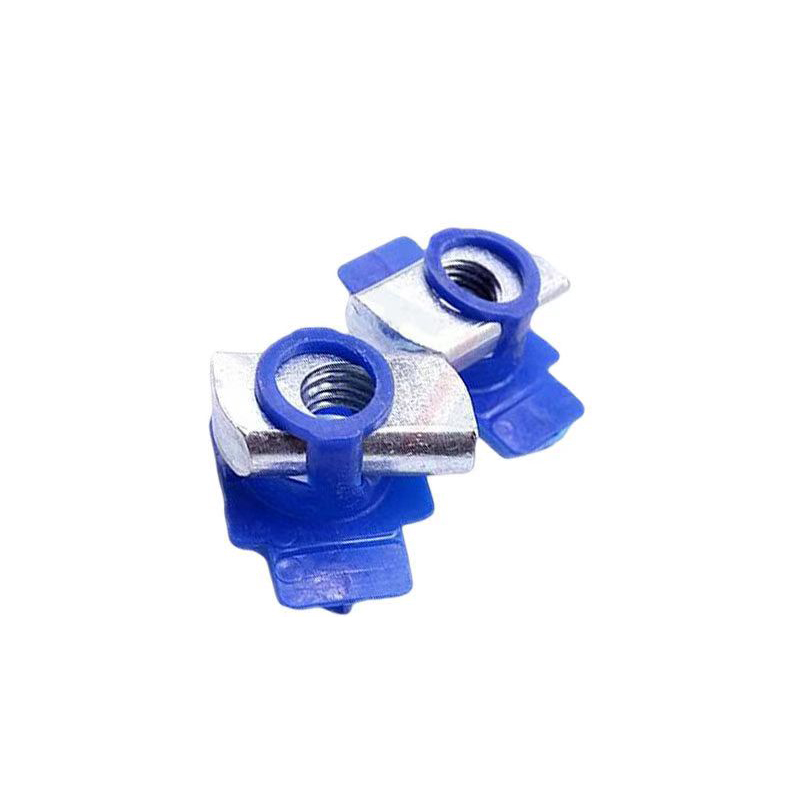
Plastic wing nut
Plastic wing nuts, with their innovative structural design and high-performance materials, perfectly solve the core requirements of photovoltaic bracket installation efficiency, durability and safety, and are the preferred accessories for improving the overall economy and reliability of photovoltaic systems. Plastic wing nuts are widely used in the diagonal support fixation, rail connection, component block locking and other links of photovoltaic brackets, especially for tracking bracket systems that require frequent angle adjustment. Its environmental protection complies with the RoSH directive, and it requires almost no maintenance during its life cycle, significantly reducing the system operation and maintenance costs. Compared with traditional metal nuts, plastic wing nuts have outstanding performance in reducing deadweight and improving electrical safety, providing reliable protection for the long-term operation of photovoltaic power stations. As the photovoltaic industry’s demand for cost reduction and efficiency improvement deepens, this product will become an increasingly important component in the standardized design of brackets.
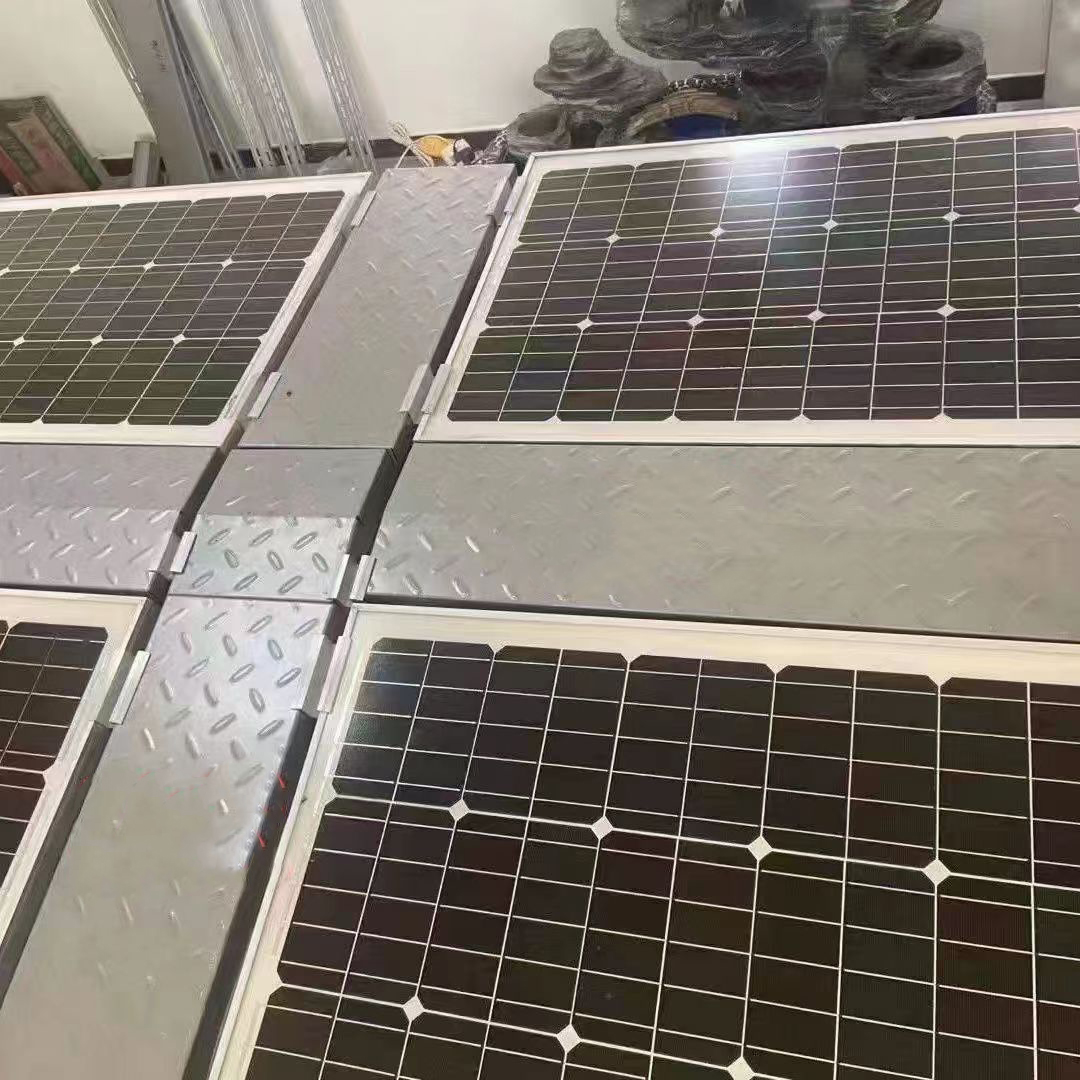
Ridge pedal
Ridge pedal is an installation and safety protection component designed specifically for sloping roof photovoltaic systems, integrating load-bearing, anti-skid, and water-conducting functions. It reduces the cost of purchasing and repairing roof protection materials, shortens the construction period by 30%, and protects personnel safety and roof integrity, preventing water from seeping into the roof joints. It provides a stable working platform for construction and operation and maintenance personnel, protects the roof waterproof layer from being damaged by trampling, and optimizes the rainwater discharge path. It is a key accessory for the safe and efficient construction of distributed roof power stations.
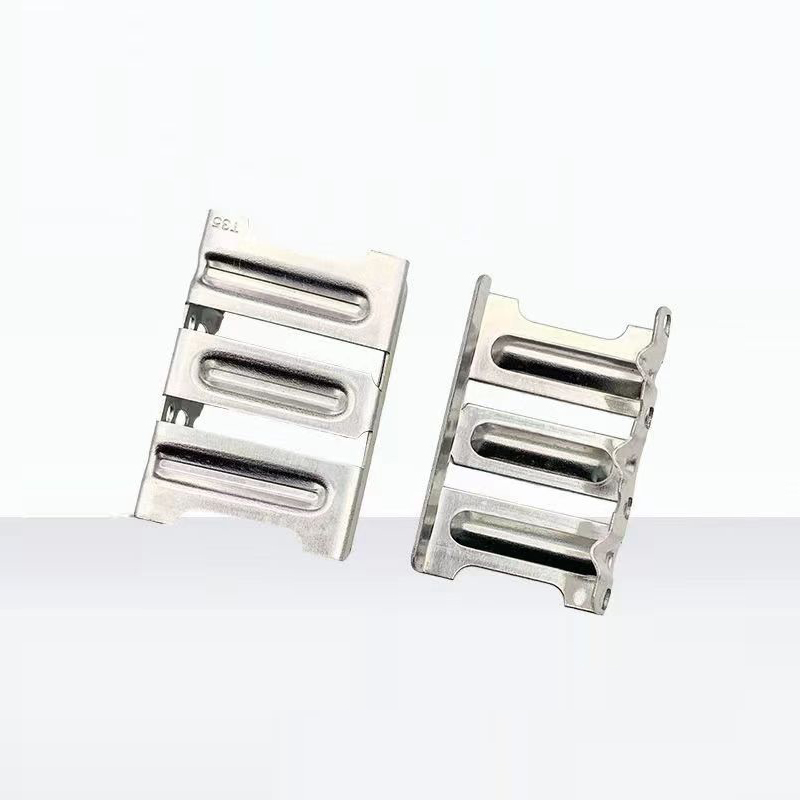
Water guide clip
The photovoltaic support water guide clip is an innovative drainage management component designed specifically for solar support systems. It scientifically guides the flow of rainwater to prevent water accumulation, effectively protects the stability of the support structure and the power generation efficiency of photovoltaic panels, and helps to utilize rainwater resources. Its core function is to optimize the drainage path, extend the life of the equipment and reduce operation and maintenance costs. It is a key accessory for the efficient operation of photovoltaic power generation in complex climate environments. It is used in power stations in rainy areas, high-slope roofs, and areas where sandstorms are frequent.


